
The $5,000 Rule: When to Repair vs. Replace Your AC
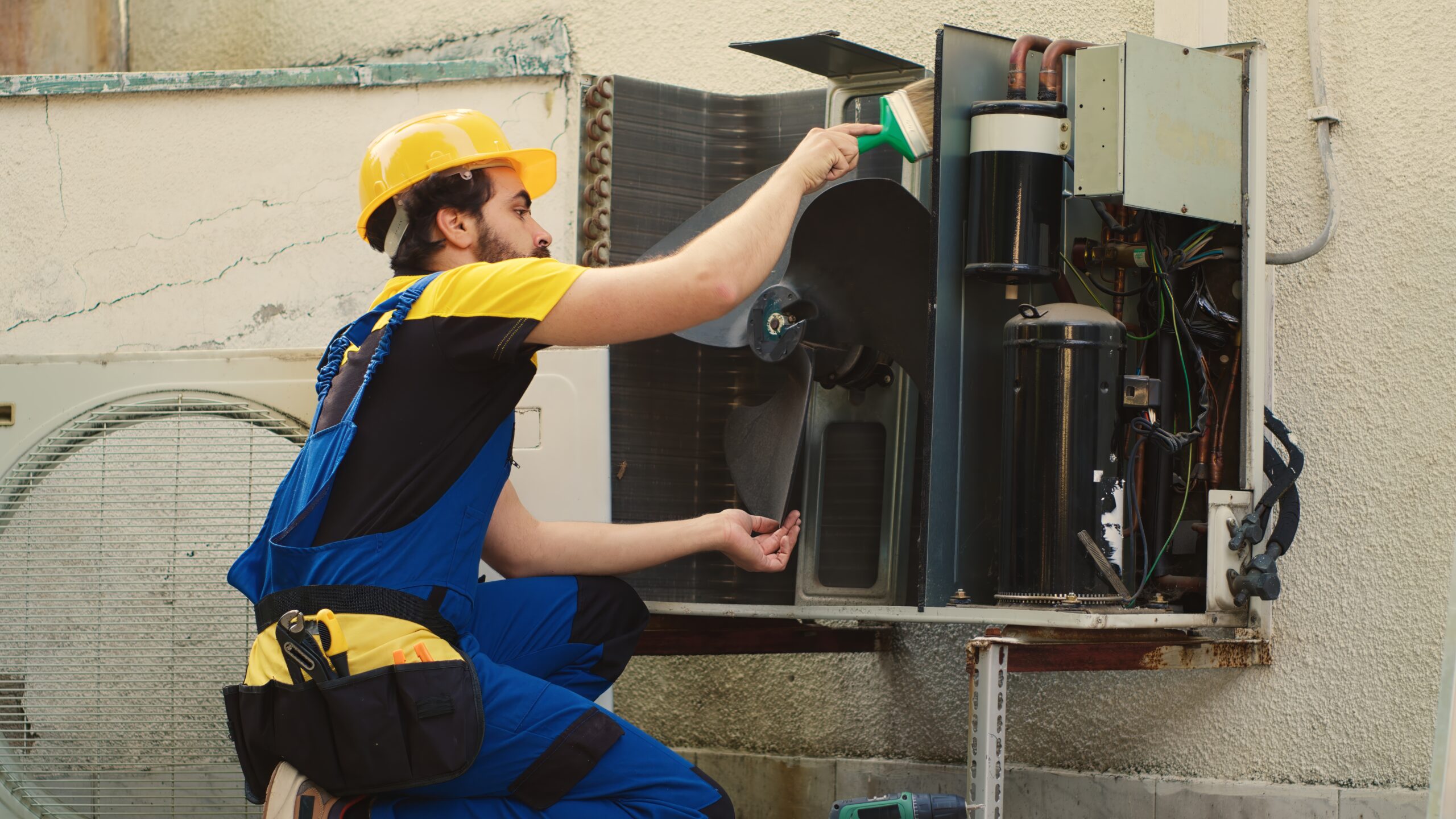
An air conditioner that suddenly struggles during peak summer heat can quickly make your home uncomfortable and drive up energy costs. When air conditioning repairs start becoming more frequent or expensive, many homeowners wonder whether fixing the system is still worth it or if replacing it would be the better long-term solution. Tamas Mechanical helps homeowners make informed decisions with professional AC inspections and honest recommendations. One of the most useful ways to evaluate your options is by using the $5,000 Rule, a simple guideline that helps determine whether repairing or replacing your AC makes more financial sense.
What Is the $5,000 Rule?
The $5,000 Rule is a common method used to evaluate whether an air conditioner should be repaired or replaced. The formula is simple:
Multiply the age of the AC unit by the estimated repair cost.
If the total is under $5,000, repairing the system is often the better option.
If the total is over $5,000, replacing the system may be more cost-effective in the long run.
For example:
A 5-year-old AC with a $400 repair:
5 × 400 = 2,000
Repairing the unit usually makes sense.
A 12-year-old AC with a $500 repair:
12 × 500 = 6,000
Replacing or installing ac the system may be the smarter investment. While this rule is not absolute, it provides a practical starting point for decision-making.
Why This Rule Works
Air conditioners naturally lose efficiency as they age. Older systems often require more frequent repairs, consume more electricity, and struggle to maintain consistent cooling performance. Even if one repair seems manageable, additional breakdowns may follow shortly afterward.
The $5,000 Rule helps homeowners look beyond the immediate repair cost and consider the long-term value of the system. Instead of repeatedly paying for repairs on an aging unit, replacing it may reduce future expenses and improve overall efficiency.
This rule also helps prevent situations where homeowners spend thousands repairing a system that is already near the end of its lifespan.
When You Should Repair Your AC
Repairing your AC is usually the best option when the system is still relatively new and the issue is minor. In many cases, fixing a small problem early can restore performance and prevent larger issues later.
You should consider repairing your AC if:
- The unit is less than 10 years old
- Repair costs are relatively low
- The system has been well maintained
- Cooling performance has been reliable overall
- The issue involves replaceable components like capacitors or thermostats
- Energy bills have not increased significantly
A professional inspection can determine whether the issue is isolated or a sign of more serious wear throughout the system.
When You Should Replace Your AC
Replacing your air conditioner may be the better choice when repair costs continue to increase or the system is no longer operating efficiently. Older systems tend to break down more often, especially during periods of heavy summer use.
You should consider replacing your AC if:
- The unit is over 10–15 years old
- Repairs are becoming frequent
- Cooling is inconsistent throughout the home
- Energy bills continue rising
- The system uses outdated refrigerant
- Major components like the compressor have failed
- The $5,000 Rule calculation exceeds the threshold
Modern AC systems are significantly more energy-efficient than older models. Replacing an aging unit can improve indoor comfort while lowering monthly operating costs.
Hidden Costs People Ignore
Many homeowners focus only on the immediate ac repair price and overlook other long-term costs associated with an aging AC system.
Some hidden costs include:
- Higher electricity bills from reduced efficiency
- Frequent service calls and repeat repairs
- Poor indoor comfort and uneven cooling
- Increased strain on electrical components
- Reduced home value due to outdated HVAC equipment
- Emergency breakdowns during peak summer heat
Even if repairs appear cheaper upfront, these hidden costs can quickly add up over time.
Frequently Asked Questions
How long does a central AC system usually last?
Most central air conditioning systems last between 10 and 15 years with proper maintenance. Lifespan depends on usage, maintenance history, and overall system condition.
Does the $5,000 Rule apply to all AC systems?
The rule is mainly used as a general guideline for residential central air conditioning systems. A professional inspection is still important before making a final decision.
Can regular maintenance help avoid replacement?
Yes. Regular maintenance helps improve efficiency, reduce wear on components, and catch minor issues early before they become major repairs.
Is replacing an old AC more energy-efficient?
In many cases, yes. Newer systems are designed to use less energy while providing more consistent cooling performance.
Get Professional AC Advice Before Making a Decision
Deciding whether to repair or replace your AC can feel overwhelming, especially during peak summer heat. The $5,000 Rule provides a helpful starting point, but every system is different. A professional inspection can help determine the most cost-effective solution based on your unit’s age, condition, and repair history.
Tamas Mechanical provides expert AC inspections, repair services, and replacement solutions to help homeowners stay comfortable and energy-efficient. Contact our team today to schedule an assessment and get honest recommendations for your cooling system.