
Mississauga HVAC Problems: Causes & Solutions
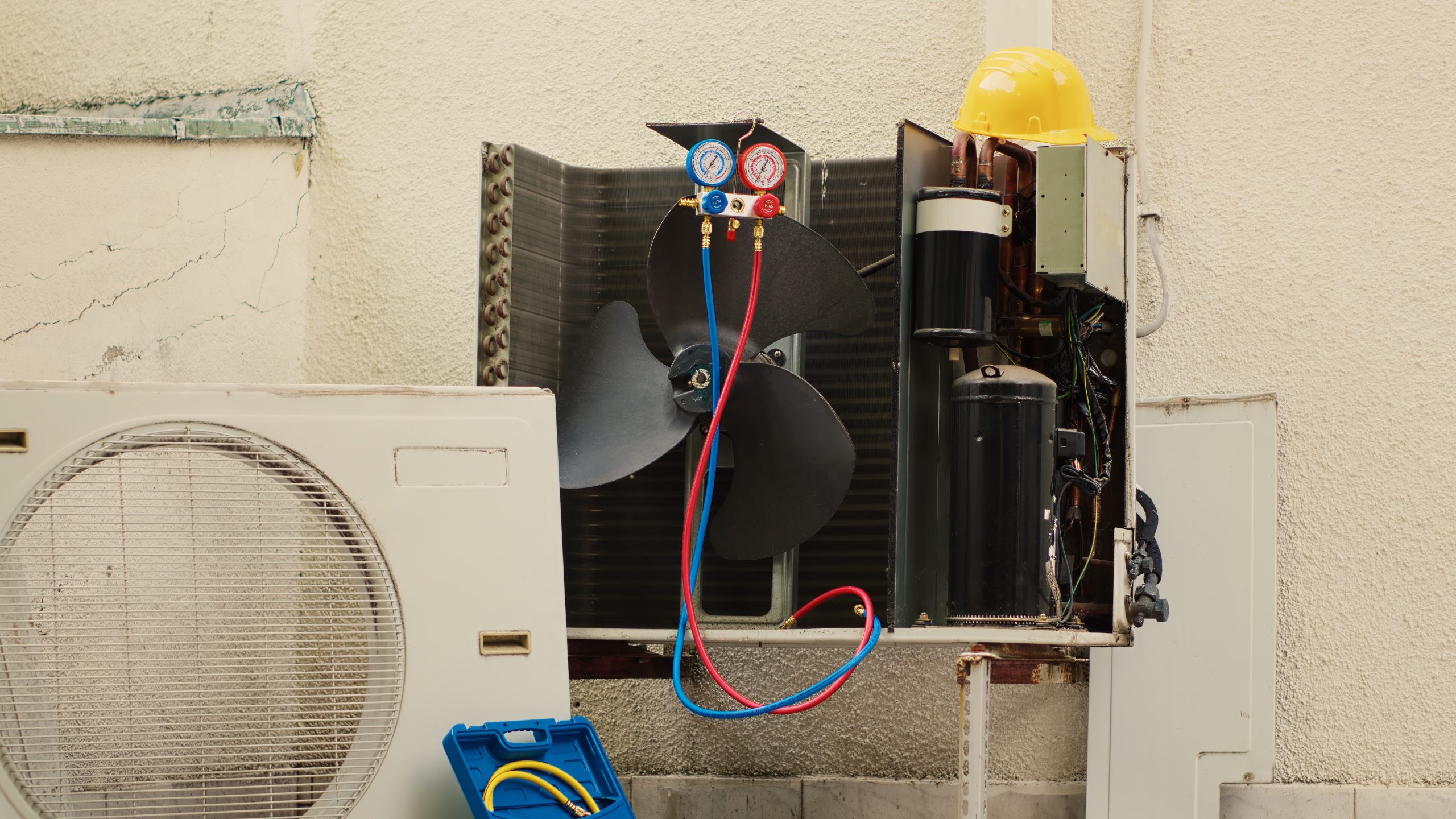
HVAC problems in Mississauga have a habit of showing up at the worst possible time, usually when the weather is pushing your heating or cooling system to its limits. A summer heat wave can push temperatures above 30°C, while a frigid winter night can put your furnace to the test. That swing can expose weaknesses in your HVAC system, from an AC that cannot keep up to a furnace that struggles to maintain a comfortable temperature. At Tamas Mechanical, our HVAC repair in Mississauga helps homeowners identify the cause, fix the issue, and keep their heating and cooling systems running reliably.
Why HVAC Problems in Mississauga Homes Often Start Small
Your HVAC system rarely goes from “working perfectly” to “completely broken” overnight. More often, the warning signs creep in: a bedroom takes longer to cool, the furnace runs a little longer than usual, or you start hearing an unfamiliar rattle from the basement. Mississauga’s sharp seasonal changes can put extra strain on equipment, making these not-so-subtle changes worth paying attention to.
Over time, these small issues can affect both comfort and efficiency. Here are the most common HVAC problems residents in Mississauga encounter and what may be causing them.
1. Air Conditioner Not Cooling Properly
Few HVAC problems are more frustrating than an air conditioner running all day without making the house comfortable. If your AC is blowing warm air or struggling to cool certain rooms, several issues could be responsible.
A dirty air filter can restrict airflow, while a clogged outdoor condenser can prevent the system from releasing heat properly. Low refrigerant, electrical problems, a failing capacitor, or a worn compressor can also affect cooling performance.If your air conditioner is running constantly but your home is still warm, professional AC repair can identify the underlying problem before the system suffers further damage.
2. Furnace Not Producing Enough Heat
A furnace does not necessarily have to stop working completely to signal a problem. Weak heat, inconsistent temperatures, or long heating cycles can all indicate that something is wrong.
A clogged filter is one of the simplest causes, but issues with the blower motor, ignition system, flame sensor, thermostat, or other parts may also be involved. A heater that struggles to keep up with the temperature setting can also put unnecessary strain on the system. Professional furnace repair can help restore reliable heating and prevent a minor fault from turning into a larger breakdown.
3. Poor Airflow From Vents
You turn up the thermostat, but barely any air comes from the vents. Or perhaps the living room is cozy while a bedroom upstairs feels completely different. Poor airflow is a common HVAC complaint and should not always be blamed on the equipment itself.
Restricted airflow can result from:
- Dirty or clogged air filters
- Blocked vents
- Damaged or poorly connected ductwork
- Blower motor problems
- Debris or buildup within the system
Improving airflow can make your HVAC system more comfortable and efficient. At the same time, it reduces the amount of work the system has to do.
4. HVAC System Keeps Turning On and Off
Does your furnace or air conditioner start, run for a short time, shut down, and then repeat the cycle? This is actually known as short cycling.
Short cycling can be caused by something as simple as a dirty filter or an incorrectly placed thermostat. It can also point to refrigerant problems, overheating, defective parts, or an HVAC system that is not properly sized for the home.
Frequent cycling puts additional wear on the system and can increase energy consumption. If the problem keeps happening, it is worth hiring an HVAC technician to determine why.
5. Strange or Unusual HVAC Noises
Most HVAC systems make some noise as they operate, but a sudden change in sound deserves attention. A rattling sound could indicate a loose component, while squealing may point to a belt or motor issue. Grinding can be a sign of serious mechanical wear, and buzzing or clicking may indicate an electrical or control problem.
You do not need to identify the exact cause yourself. If a familiar HVAC system suddenly sounds different, having it inspected can help prevent a small mechanical issue from becoming a major repair.
6. Thermostat Problems
Sometimes the HVAC system is not the problem at all. A faulty thermostat can cause inaccurate temperature readings, inconsistent heating or cooling, or prevent the system from responding properly to your settings.Upgrading an outdated thermostat may also improve temperature control and make it easier to manage your home’s heating and cooling.
Before assuming the thermostat has failed, check the batteries and make sure it is set to the correct heating or cooling mode. If the HVAC system still does not respond as expected, a technician can determine whether the issue is with the thermostat, wiring, or another part of the system.
7. Water Leaking Around Your HVAC System
Water around your air conditioner or furnace is never something to ignore. In many cases, the problem is related to condensation and drainage rather than the system producing water unexpectedly.
A clogged condensate drain, frozen evaporator coil, damaged drain pan, or failed condensate pump can cause water to collect around the equipment. Leaving the leak unresolved can lead to water damage and may also indicate that the HVAC unit is not operating correctly. If you notice moisture or standing water around your equipment, arrange for an inspection.
8. HVAC System Will Not Turn On
An HVAC system that refuses to start can have a simple cause, but it can also indicate a more serious electrical or mechanical failure. Start by checking that the thermostat is set correctly and that the system has power. If those basics are fine and the equipment still does not respond, the issue could involve the ignition system, electrical components, blower motor, control board, or another internal part.
Gas and electrical HVAC components should not be repaired as a DIY project. A qualified technician can safely diagnose the problem and determine the appropriate repair.
9. Unexpectedly High Energy Bills
Your energy bill can provide clues about your HVAC system’s condition. If your heating or cooling costs suddenly increase without a major change in usage, the system may be working harder than it should.
Restricted airflow, dirty components, frequent cycling, aging equipment, and failing parts can all affect efficiency. Poor insulation or air leakage in the home can also contribute. A professional HVAC inspection can help determine whether the equipment itself is responsible for the increased energy use or whether another issue needs attention.
10. HVAC Problems From Neglected Maintenance
Your energy bill can provide clues about your HVAC system’s condition. If your heating or cooling costs suddenly increase without a major change in usage, the system may be working harder than it should.
Restricted airflow, dirty components, frequent cycling, aging equipment, and failing parts can all affect efficiency. Poor insulation or air leakage in the home can also contribute. A professional HVAC inspection can help determine whether the equipment itself is responsible for the increased energy use or whether another issue needs attention.
When Should You Call an HVAC Professional in Mississauga?
Not every HVAC issue requires an emergency service call, but certain warning signs should not be ignored. Contact Tamas Mechanical if you notice:
- No heating or cooling
- A sudden loss of airflow
- Strange or worsening noises
- Burning or unusual odours
- Water or refrigerant leaks
- Frequent short cycling
- Repeated system shutdowns
- Significant increases in energy costs
- Uneven temperatures throughout your home
Need HVAC Repair in Mississauga?
Do not wait for a small HVAC problem to become a complete breakdown. Tamas Mechanical can diagnose heating and cooling issues and provide professional repair and maintenance services for Mississauga homeowners.
Contact Tamas Mechanical today to schedule HVAC service in Mississauga.
Frequently Asked Questions
What are the most common HVAC problems in Mississauga homes?
Common issues include poor airflow, inadequate heating or cooling, short cycling, thermostat problems, strange noises, water leaks, and system breakdowns. Dirty filters and a lack of regular maintenance can contribute to many of these problems.
Why is my HVAC system not heating or cooling properly?
Restricted airflow, dirty components, thermostat problems, refrigerant issues, faulty electrical parts, and mechanical failures can all affect HVAC performance.
How often should I have my HVAC system serviced?
Annual professional maintenance is a good general guideline, although the ideal schedule depends on your equipment, age, usage, and condition.
Why does my HVAC system keep turning on and off?
Frequent cycling can result from restricted airflow, thermostat problems, overheating, refrigerant issues, incorrect system sizing, or other faults.
Should I repair or replace my HVAC system?
The right choice depends on the system’s age, condition, repair cost, efficiency, and expected remaining lifespan. A professional HVAC technician can assess the equipment and explain your options.
Can regular HVAC maintenance prevent breakdowns?
Maintenance cannot guarantee that an HVAC system will never fail, but it can help identify developing problems, maintain airflow and efficiency, and reduce the likelihood of avoidable breakdowns.